What You Really Need for a Glacier Helicopter Hiking Tour: Gear, Clothing & Practical Tips
The idea of stepping out of a helicopter onto a shimmering blue glacier is exciting—and a little intimidating. Many people wonder the same thing before they book: “Do I need special equipment for a glacier helicopter hiking tour, and do I have to buy it myself?”
The short response in most cases:
You don’t need to invest in technical mountaineering gear, but you do need the right clothing and basic items, and tours usually provide the true “specialist” equipment on the ice.
This guide breaks down what is typically supplied, what you’re usually expected to bring, and how to prepare so you can focus on the experience instead of worrying about gear.
What Makes Glacier Helicopter Hiking Different From Regular Hiking?
Glacier helicopter hiking combines three distinct elements:
- ✈️ A helicopter flight to a remote glacier area
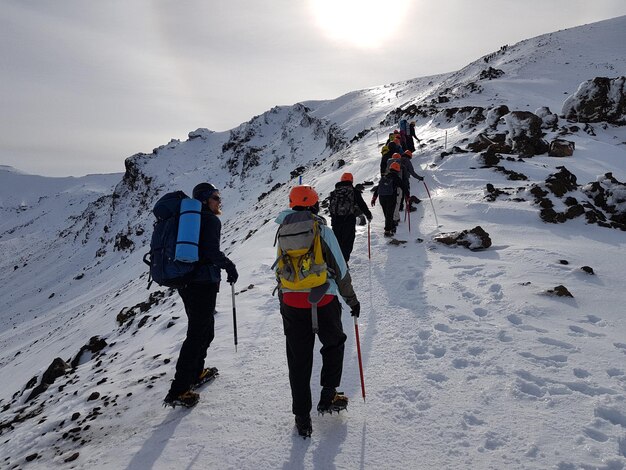
- 🧊 Walking on ice and snow, often with crevasses and uneven surfaces
- 🥾 Guided hiking using simple mountaineering tools
Because of these conditions, regular hiking gear alone is not enough. The ice can be slick, surfaces can be uneven, and weather can change quickly. That’s why most operators rely on a mix of:
- Specialized safety equipment (usually supplied by the tour)
- Weather-appropriate clothing and basics (usually brought by you)
Understanding this split helps you prepare without overspending or overpacking.
Is Special Equipment Required for Glacier Helicopter Hiking Tours?
The short overview
For nearly all commercial glacier helicopter hiking tours, you can expect:
- ✅ Yes, special equipment is required on the glacier.
- ✅ No, you usually don’t need to buy or bring technical gear yourself.
- ✅ Tour companies typically provide essential glacier and safety equipment.
- ⚠️ You are usually responsible for bringing appropriate clothing and personal items.
Policies vary by location and operator, but this general pattern is common across glacier tourism regions.
What Gear Do Tour Companies Usually Provide?
Most glacier helicopter hiking operators aim to make the experience accessible to people without mountaineering backgrounds. To do that, they typically supply the “specialist” equipment.
Below are some items frequently provided (often included in the tour price):
1. Crampons or Ice Traction Devices
Purpose: Improve grip on ice and hard-packed snow.
- These attach to your boots to help prevent slipping.
- The style may range from basic traction aids to more technical crampons.
- Guides usually help with fitting and explain how to walk safely while wearing them.
2. Safety Harnesses and Ropes (If Needed)
Purpose: Added security in more complex or exposed areas.
- On simple glacier walks, a rope system may not be used at all.
- On more advanced routes, participants might wear harnesses and be clipped into ropes for sections with crevasses or steeper terrain.
- Guides typically handle all technical rope work, so prior climbing knowledge is generally not expected.
3. Helmets
Purpose: Protection against bumps, slips, and any minor falling ice or debris.
- Many operators provide helmets for all participants as a standard precaution.
- Helmets are usually adjustable to fit different head sizes and can be worn with beanies or buffs underneath.
4. Walking Poles or Ice Axes
Purpose: Balance and stability.
- On less technical tours, trekking poles are often available or recommended.
- On more demanding glacier hikes, a lightweight ice axe may be supplied and used as a walking aid, not as a climbing tool.
- Guides often demonstrate how to plant the pole or axe for stability.
5. Overshoes or Glacier Boots (In Some Locations)
Purpose: Ensure crampons fit safely and keep feet dry.
- Some operators require specific types of boots to use their crampons.
- If your footwear is not suitable, they may provide mountaineering-style boots or waterproof overshoes.
- Available sizes and quantities may be limited, so providing your shoe size in advance is often requested.
Quick Reference: Typically Provided vs. Typically Brought
| Item Type | Usually Provided by Tour | Usually Brought by You |
|---|---|---|
| Crampons / traction devices | ✅ Yes | ❌ Not necessary |
| Harness & ropes (if used) | ✅ Yes | ❌ Not necessary |
| Helmet | ✅ Yes (commonly) | ❌ Not necessary |
| Trekking poles / ice axe | ✅ Often available | ❌ Optional |
| Specialized boots | ✅ Sometimes | ❌ Not always required |
| Warm clothing layers | ❌ Usually not | ✅ Yes |
| Waterproof jacket / pants | ❌ Often not | ✅ Yes |
| Gloves, hat, sunglasses | ❌ No | ✅ Yes |
| Snacks & personal items | ❌ No | ✅ Yes |
Individual tour descriptions often spell out exactly what is included and what you’re expected to bring.
What Clothing Should You Bring for a Glacier Helicopter Hike?
Even when equipment is provided, clothing is typically your responsibility. Conditions on a glacier can be chilly, windy, and bright—even on a sunny day. Thoughtful layering is usually more important than expensive technical brands.
1. Base Layers: Stay Dry First
Goal: Wick moisture away from your skin.
- Long-sleeve top and long underwear or leggings made from synthetic or merino wool materials.
- Cotton tends to stay damp and can feel cold when wet, so moisture-wicking fabrics are often preferred.
2. Insulating Layers: Trap Warmth
Goal: Keep you warm even if the wind picks up.
- Fleece jacket, light insulated jacket, or sweater.
- In colder seasons or higher altitudes, some people use two mid-layers (for example, a fleece and a lightweight puffy jacket).
3. Outer Layers: Block Wind and Moisture
Goal: Protect you from wind, light rain, and snow.
- Waterproof or water-resistant jacket with a hood.
- Water-resistant pants or shell trousers that can go over your base layer.
- Breathable materials can help if you tend to overheat while hiking.
Footwear: Do You Need Special Glacier Boots?
Footwear is a common source of confusion. Requirements can vary, but there are some general patterns.
1. Sturdy Hiking Boots
For many entry-level glacier hikes:
- Sturdy, ankle-supporting hiking boots with a firm sole are commonly accepted.
- Boots should be closed-toe, supportive, and warm enough for cold surfaces.
- Running shoes or soft, flexible sneakers are often discouraged because crampons may not attach safely.
2. Mountaineering Boots
For more advanced tours with steeper terrain or longer durations:
- Stiffer mountaineering boots might be recommended or required.
- When needed, many operators provide mountaineering boots as part of the package to ensure compatibility with their crampons.
3. Socks
- Warm, non-cotton socks (for example wool or synthetic blends) can help keep feet dry and comfortable.
- Some people prefer to bring an extra pair of socks to change into if their first pair gets damp before boarding the helicopter.
If you’re unsure whether your existing boots are suitable, many tour operators list footwear requirements in their booking information and may offer boot rental or loan options.
Essential Accessories You’re Usually Expected to Bring
These smaller items can make a big difference in your comfort and overall experience.
1. Gloves
- Insulated, waterproof or water-resistant gloves are often recommended.
- The ice can be cold to the touch, and you may use your hands for balance at times.
2. Hat or Beanie
- A warm hat that covers your ears helps in colder conditions.
- In milder weather, a lightweight beanie or headband can be enough.
3. Sunglasses and Eye Protection
Glaciers can reflect intense sunlight. Even on cloudy days, brightness can be notable.
- Sunglasses with UV protection are commonly suggested.
- Wraparound styles or ones that fit securely are practical in windy conditions.
4. Sunscreen and Lip Protection
Sun exposure can be higher on snow and ice due to reflection.
- Broad-spectrum sunscreen for face and exposed skin can be useful.
- Lip balm with SPF helps prevent dryness and chapping.
5. Small Daypack (If Allowed)
Some operators allow a small backpack; others limit what can go in the helicopter.
Common items to consider:
- Lightweight extra layer
- Water bottle (if permitted)
- Small snack
- Personal medications, if any (kept secure and accessible)
Checking luggage or weight restrictions beforehand helps avoid surprises at check-in.
🚁 Fast-Track Packing Checklist for Glacier Helicopter Hiking
Use this as a quick personal reference and adapt it to your specific tour’s instructions:
🧥 Clothing
- Moisture-wicking base layers (top and bottom)
- Warm mid-layer (fleece or light insulated jacket)
- Waterproof or water-resistant jacket
- Weather-appropriate pants (preferably water-resistant or shell pants)
🥾 Footwear
- Sturdy, ankle-high hiking boots (if accepted by the tour)
- Warm, non-cotton socks (plus an extra pair if you like)
🧤 Accessories
- Warm gloves or mittens
- Hat or beanie
- Sunglasses with UV protection
- Sunscreen and SPF lip balm
🎒 Optional items (if permitted)
- Small backpack
- Water bottle
- Light snack (such as an energy bar)
- Camera or smartphone (securely stored)
Tour-provided items often include crampons, helmets, harnesses, and possibly specialized boots. Always cross-check with the specific operator’s gear list.
Do You Need Technical Climbing Skills or Experience?
Most commercial glacier helicopter hikes are designed for people with little or no mountaineering experience. The tours are led by trained guides who:
- Choose terrain appropriate for the group’s ability and conditions.
- Demonstrate how to walk with crampons on ice.
- Explain basic safety practices, such as spacing and following their steps.
More advanced or full-day glacier trips may expect:
- A higher level of fitness.
- Previous hiking experience on uneven terrain.
- Comfort with longer periods outdoors in variable weather.
However, even in these cases, the technical equipment and safety systems (like ropes and harnesses) are normally managed by the guiding team, not by participants.
How Fitness and Mobility Affect Equipment Expectations
While the equipment itself is usually provided, your fitness and mobility can influence what type of tour is appropriate for you:
- Short, scenic glacier walks: Typically involve limited elevation gain and slower paces.
- Longer or more challenging hikes: May include steeper sections, uneven ice, and longer time in gear.
Operators often outline approximate physical requirements in their descriptions, such as the ability to walk for a certain amount of time on uneven terrain. This helps guests choose an experience that feels enjoyable rather than overwhelming.
If you have specific mobility considerations or concerns, many companies encourage contacting them in advance to discuss suitability and any available accommodations.
Weather, Season, and How They Influence Gear Needs
Glaciers are dynamic environments, and conditions can change quickly. This can influence both the equipment used by guides and the clothing that works best for guests.
1. Seasonal Differences
- Colder months may call for thicker layers, heavier gloves, and more insulated outerwear.
- Warmer months can feel surprisingly mild on sunny days, but conditions can still shift quickly with wind or cloud cover.
2. Wind and Precipitation
- Strong winds increase the value of windproof jackets and snug hats.
- Light snow or drizzle makes water-resistant outer layers more important.
Guides typically adjust route choices, time on the ice, and equipment use in response to conditions and safety considerations.
Safety Considerations Linked to Equipment
While detailed safety procedures are managed by trained guides, understanding why certain equipment is used can help you feel more at ease.
- Crampons reduce the likelihood of slipping on ice.
- Helmets provide a layer of protection from minor bumps or small debris.
- Harnesses and ropes may be used in areas where there is more complex terrain.
- Helicopter weight limits can influence how much personal gear you can bring, prompting operators to standardize the equipment they provide.
Most guests find that once they are on the glacier, the combination of equipment, guidance, and clear instructions helps them feel more confident moving around.
How to Confirm Exactly What You Need for Your Specific Tour
Because each glacier region and operator can have slightly different policies, it’s helpful to:
Read the tour description carefully
Look for sections labeled “What’s Included” and “What to Bring.”Check the confirmation email
Many booking confirmations include a packing list or instructions.Contact the operator directly
If you’re unsure about your boots, clothing, or physical readiness, asking a few questions in advance can provide clarity.
Operators typically welcome these questions, as better-prepared participants tend to have smoother and more enjoyable experiences.
🌟 Key Takeaways: Do You Need Special Equipment?
To bring everything together, here are the core points to remember:
- ✅ Yes, glacier helicopter hiking requires specialized equipment like crampons, helmets, and sometimes harnesses.
- ✅ In most cases, this specialized gear is provided by the tour operator, so you do not need to purchase technical mountaineering equipment.
- ✅ You are usually responsible for your clothing and basic personal items, especially:
- Warm, layered clothing
- Waterproof or water-resistant outerwear
- Sturdy boots (unless boots are supplied)
- Gloves, hat, sunglasses, and sun protection
- ✅ Technical climbing skills are generally not required for standard tours; guides handle the safety systems and route choice.
- ✅ Conditions and requirements can vary, so checking the specific tour’s equipment list before you go is one of the most practical steps you can take.
Preparing thoughtfully—without overcomplicating things—lets you focus on the real highlight of a glacier helicopter hiking tour: stepping out onto ancient ice, hearing the subtle creaks and drips beneath your feet, and seeing a landscape that few people ever encounter up close.
Related Topics
- Are Glacier Helicopter Tours Worth The Money?
- Can I Book a Glacier Helicopter Tour Directly Or Should I Go Through My Cruise Line?
- Can You See Blue Ice On Iceland Glacier Helicopter Tours?
- How Do New Zealand Glacier Helicopter Tours Compare To Alaska?
- How Far In Advance Should I Book a Glacier Helicopter Tour?
- How Long Do Glacier Helicopter Tours Typically Last?
- How Much Does a Typical Glacier Helicopter Tour Cost?
- How Much Time Do You Get On The Glacier During a Helicopter Tour?
- Is Dog Sledding Included In All Glacier Helicopter Tours?
- Is There a Weight Limit For Passengers On Glacier Helicopter Tours?
- What Happens If My Glacier Helicopter Tour Gets Canceled Due To Weather?
- What Kind Of Photos Can I Expect To Take On a Glacier Helicopter Tour?
- What Should I Wear On a Glacier Helicopter Tour?
- What’s It Like To Land On a Glacier During a Helicopter Tour?
- What’s The Best Glacier Helicopter Tour From Skagway For Cruise Passengers?
- What’s The Best Month For Glacier Helicopter Tours In Alaska?
- What’s The Difference Between a Glacier Flyover And a Glacier Landing Tour?
- Which Glaciers In Alaska Are Best For Helicopter Tours?
- Which Is Better For Glacier Helicopter Tours - Juneau Or Skagway?