New Zealand vs Alaska: Which Glacier Helicopter Tour Is Right for You?
Hovering over blue ice, landing on a glacier, and stepping out into a world of snow and rock is a standout experience in both New Zealand and Alaska. Yet the two destinations deliver very different versions of a glacier helicopter tour.
If you’re trying to decide where to go—or simply want to know how these experiences compare—this guide breaks down the key differences in scenery, flight style, accessibility, seasons, and overall feel.
Big Picture: How New Zealand Glacier Heli Tours Compare to Alaska
At a glance, both destinations offer:
- Scenic helicopter flights over mountains and ice
- The chance to land on a glacier and walk on it
- Options to combine flying with activities like hiking or ice climbing
But they differ in several important ways:
- Scale and remoteness
- Landscape style and color
- Weather and seasonality
- Tour style and logistics
Here is a quick comparison to set the stage.
| Feature | New Zealand Glacier Heli Tours | Alaska Glacier Heli Tours |
|---|---|---|
| Overall feel | Compact, dramatic, easily accessible | Vast, wild, remote |
| Typical base towns | Franz Josef, Fox Glacier, Mount Cook, Queenstown | Anchorage, Juneau, Skagway, Talkeetna, Denali areas |
| Scenery style | Steep peaks, lush rainforest, coastal valleys | Massive icefields, long glaciers, rugged wilderness |
| Glacier scale | Smaller but very dramatic and close-up | Often much larger, sprawling ice systems |
| Seasonality | Year‑round in many areas (weather-dependent) | Strongly seasonal (peak in late spring–summer) |
| Tour duration & structure | Often short to moderate, highly structured | Ranges from short flights to half‑day or longer |
| “Adventure” vs “comfort” feel | Lean adventure-with-comfort, resort town access | Ranges from cruise-accessible to very remote |
Scenic Differences: What You Actually See From the Air
New Zealand: Steep, Lush, and Cinematic
New Zealand’s glacier regions, especially on the South Island, are known for:
- Sharp, steep mountains rising quickly from the sea
- Glaciers tucked into narrow valleys, often spilling down toward temperate rainforest
- Striking contrasts: white snow, deep blue ice, dark rock, and green forest in one view
- Relatively short distances from town to glacier
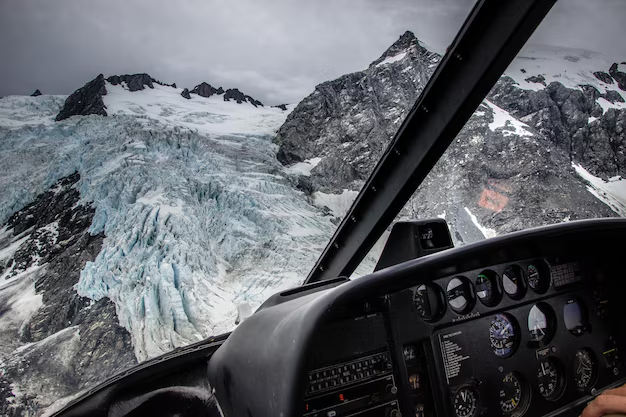
Travellers often describe the scenery as compact and cinematic. You might take off from a valley floor, fly over rainforest, cross a ridge, and suddenly be over a glacier within minutes.
This makes New Zealand especially appealing if you want:
- A lot of visual variety in a short flight
- Easy access from popular tourist hubs
- A “highlight reel” of dramatic landscapes in one outing
Alaska: Massive, Raw, and Wild
Alaskan glacier flights are often about scale and remoteness:
- Long, winding glaciers that stretch far down mountain valleys
- Huge icefields and icefalls with fractured seracs and deep crevasses
- Wide, open vistas of tundra, mountains, and coastline
- Fewer signs of human development once you leave town
From the air, Alaska tends to feel:
- More expansive: you may fly over miles of wilderness before and after the glacier
- More “frontier”: wide river plains, massive peaks, big sky views
This appeals to travellers who are drawn to:
- The feeling of being deep in the wild
- Long, sweeping views where everything looks oversized
- A sense of remoteness even on a short tour
Glacier Helicopter Tour Styles: How the Experiences Are Structured
Typical New Zealand Glacier Heli Experience
In New Zealand, many glacier flights follow a similar pattern:
- Short briefing and gear check in a central town (e.g., Franz Josef, Fox Glacier, Mount Cook Village, or Queenstown).
- Takeoff from a helipad close to town—the flight to the glacier is often quite short.
- Scenic loop over the glacier and surrounding peaks.
- Snow or glacier landing: walk around, take photos, experience the silence and scale.
- Return flight with another scenic pass.
Common options include:
- Scenic “flight and snow landing” (popular entry-level choice)
- Heli-hike: flight up + guided hike with crampons on the glacier
- Heli-ski or heli-boarding in some areas during winter
New Zealand tours often feel:
- Highly organized and streamlined
- Designed to fit easily into a multi‑activity day (pairing with jet boating, bungee jumping, or hiking)
- Well-suited to travellers who like structure and convenience
Typical Alaska Glacier Heli Experience
Alaskan tours vary more widely by region, but a common pattern includes:
- Transfer from town or cruise dock to a heli base.
- Safety briefing and outfitting (boots, outer layers, sometimes crampons).
- Scenic flight over multiple glaciers or valleys depending on location.
- Landing on a glacier for a walk, sometimes near melt pools, crevasses, or ice formations.
- Optional activities such as:
- Guided glacier trekking
- Dog sledding on snowfields (in some tour areas)
- Longer adventure packages that mix flightseeing with hiking or rafting
Alaska’s style often feels:
- More variable: from shorter, cruise-excursion style flights to remote, customized adventures
- Focused on showcasing large landscapes and sometimes wildlife sightings from the air
- Appealing if you want an “off the grid” atmosphere, even on a guided tour
Accessibility and Logistics: How Easy Is It to Take a Tour?
Getting to Glacier Heli Tours in New Zealand
New Zealand’s main glacier flight hubs are:
- West Coast: Franz Josef and Fox Glacier townships
- Southern Alps: Aoraki/Mount Cook region
- Queenstown/Wānaka: Access to nearby glaciers and alpine landings
Key characteristics:
- Compact distances: Many visitors drive a few hours between major sightseeing locations and glacier towns.
- Walkable bases: In some towns, heli operators are based right in the main street area.
- Year-round tourism infrastructure: Accommodation, restaurants, and other activities are often close together.
This usually makes it straightforward to slot a glacier heli tour into a wider New Zealand road trip without major detours.
Getting to Glacier Heli Tours in Alaska
In Alaska, glacier helicopter tours are typically based around:
- Anchorage area
- Juneau and other Inside Passage towns (often reached by cruise ships)
- Talkeetna and Denali corridor
- Smaller flightseeing hubs in more remote regions
Key characteristics:
- Distances between hubs can be very large.
- Many visitors experience Alaska glacier flights as part of a cruise itinerary or a dedicated land-based trip.
- Some areas are only reachable by ferry, small plane, or long drives.
This means travellers often:
- Plan glacier flights as anchor activities around which they build their Alaska itinerary.
- Need to consider weather delays more explicitly due to the region’s climate and remoteness.
Weather, Seasons, and Reliability
New Zealand: More Year-Round Options, Changeable Weather
New Zealand’s glacier tours are often available in multiple seasons:
- Summer and shoulder seasons: Mild temperatures in towns, snow and ice higher up.
- Winter: Colder but often clear, with abundant snow in the alpine zones.
However:
- Weather is famously changeable, especially on the West Coast.
- Rain, cloud, or wind can cause same‑day cancellations or delays.
- Operators typically rebook or refund if flights cannot proceed.
Travellers often find:
- Flexibility in their schedule helps; having an extra day in the area increases chances of flying.
- Even in “good seasons,” day‑to‑day conditions can shift quickly.
Alaska: Strong Seasonality, Big Skies, and Changing Conditions
Alaska’s main glacier heli season generally centers on the warmer months, when:
- Snow conditions on glaciers support safe landings and activities.
- Longer daylight hours allow more flight windows.
- Many tour operators in cruise ports are fully active.
Common patterns include:
- Fog, low clouds, or rain in coastal areas that may affect visibility.
- Weather systems that can linger, especially in coastal and mountainous regions.
- The possibility of cancellations or rescheduling, especially in shoulder periods.
Being prepared for flexible timings is useful in Alaska, just as in New Zealand.
On-Glacier Experience: What It Feels Like When You Land
Glacier Landings in New Zealand
Once you land on a New Zealand glacier or snowfield, expect:
- Short guided walks in many standard landing tours
- Time for photos, exploring nearby features, and feeling the ice underfoot
- On some tours, basic explanations of the glacier’s formation and movement
- A sense of being surrounded by steep peaks and close-up icefalls
Heli-hike tours often add:
- Crampons and sometimes walking poles
- A guided route around ice formations, small crevasses, or melt channels
- A stronger sense of physical engagement, but still within controlled, guided limits
The focus is usually on:
- Scenic immersion
- Safe, guided exploration rather than intense technical climbing
Glacier Landings in Alaska
On Alaskan glacier landings, common experiences include:
- Wide, open ice surfaces with long views across the glacier
- Opportunities to walk around, sometimes near melt streams or shallow features
- Explanations of glacier dynamics and regional geography
Some Alaska operators offer:
- Longer treks for physically active travellers
- Dog sled experiences on snowfields in certain areas
- Itineraries where you may visit more than one glacier area in a single flightseeing trip
The feeling on the ice can be:
- More expansive and wide‑angle, with the landscape stretching off in multiple directions
- Strongly characterized by a sense of isolation and raw nature, even with a group present
Safety, Comfort, and Helicopter Types
Safety Culture and Briefings
In both New Zealand and Alaska, glacier helicopter tours are generally:
- Heavily regulated by local aviation authorities
- Operated with safety briefings before takeoff
- Dependent on weather and visibility standards
Typical elements include:
- Instructions on boarding, seatbelts, and headsets
- Guidance on approaching and exiting the helicopter around rotors
- Brief notes on glacier hazards and staying within marked or guided areas
Travellers often notice a similar emphasis on:
- Listening closely to pilot and guide instructions
- Respecting boundaries on the ice
- Being prepared for cold, sun, and glare at altitude
Comfort and Helicopter Experience
Common characteristics across both destinations:
- Small groups per flight, depending on helicopter size and weight distribution
- Noise-cancelling or voice‑enabled headsets so you can hear commentary
- Large windows or bubble-style fronts for better viewing
Differences are typically more about:
- Local fleet mix (a technical detail most travellers do not need to worry about)
- Tour style (short scenic vs. extended adventure) rather than comfort level
Most visitors describe both New Zealand and Alaska helicopter glacier tours as:
- Comfortable enough for first‑time flyers
- Exciting without necessarily requiring any aviation background
Cost, Value, and “Feel” of the Experience
While specific prices vary by operator and season, travellers commonly compare value in terms of:
- Length of flight and landing time
- Number of glaciers or viewpoints included
- Extras such as glacier trekking, dog sledding, or multiple landings
New Zealand: Intense, Compact Value
Travellers often perceive New Zealand glacier heli tours as:
- High impact in a short timeframe—a lot of scenery packed in
- Conveniently placed within resort-style or road‑trip itineraries
- A strong “bucket list” add‑on to a broader New Zealand adventure
For many, the value comes from:
- The ability to see a lot in a morning or afternoon
- Minimal time lost to travel logistics once you’re in the region
Alaska: Epic Scale and Immersion
Alaska heli glacier tours are often valued for:
- Vastness and immersion in wilderness landscapes
- The feeling of being far from everyday life, even near cruise ports
- The opportunity to combine glacier landings with other Alaskan experiences (wildlife viewing, fjords, mountains, and tundra)
Many travellers choose Alaska if they want:
- A once‑in‑a‑lifetime, frontier‑style environment
- Long, sweeping scenery that matches the classic image of “big Alaska”
Which Destination Fits You Better?
Here’s a practical rundown to help you decide.
✅ Choose New Zealand Glacier Heli Tours If You:
- Want dramatic scenery with steep peaks, rainforests, and glaciers in close proximity
- Prefer shorter, compact tours that fit neatly into a road trip or multi-activity day
- Appreciate highly structured, easy-to-access experience from small towns or resort hubs
- Like the idea of pairing your heli tour with bungee, jet boats, hiking, or wine regions
✅ Choose Alaska Glacier Heli Tours If You:
- Are drawn to huge, wild landscapes and a strong sense of remoteness
- Want glacier flights that feel deeply embedded in a wilderness or cruise itinerary
- Prefer long, sweeping views of massive icefields, valleys, and mountains
- Like the option to combine your flight with dog sledding or extended glacier trekking
Quick-Reference Takeaways 🧭
Here is a simple summary you can skim when comparing New Zealand vs Alaska glacier helicopter tours:
🌏 Overall vibe
- New Zealand: Compact, cinematic, varied—great for road trippers and adventure samplers.
- Alaska: Vast, wild, frontier-like—ideal if you crave scale and isolation.
🏔️ Scenery
- New Zealand: Steep peaks, rainforests, coastal valleys, and ice all close together.
- Alaska: Huge glaciers, broad river plains, big mountain systems, and open sky.
🚁 Tour style
- New Zealand: Streamlined scenic flights, glacier landings, heli-hikes, and snow landings.
- Alaska: Mix of short flightseeing, glacier walks, dog sled add‑ons, and remote adventures.
🗺️ Logistics
- New Zealand: Easy to integrate into a South Island road trip or a few days in alpine towns.
- Alaska: Often linked to cruises, longer road trips, or specific regional bases.
🌦️ Weather & seasons
- New Zealand: More year‑round options, but very changeable day-to-day.
- Alaska: Strong summer-dominant season, with weather variability in coastal and mountain areas.
Bringing It All Together
New Zealand and Alaska both deliver unforgettable glacier helicopter tours, but they do so in distinct ways:
- New Zealand offers intense, visually diverse, and highly accessible glacier experiences in a compact geography.
- Alaska offers huge, raw, and immersive glacier flights that emphasize wilderness and scale.
Neither is objectively “better”—they simply serve different travel dreams. If you imagine sharp mountains, lush valleys, and an easy add-on to a road trip, New Zealand may match your vision. If your imagination pulls toward endless ice, vast horizons, and a true frontier feeling, Alaska may be the better fit.
Knowing what kind of experience you want—compact and cinematic, or vast and wild—is often the key to choosing the glacier helicopter tour destination that will stay with you long after the rotors stop.
Related Topics
- Are Glacier Helicopter Tours Worth The Money?
- Can I Book a Glacier Helicopter Tour Directly Or Should I Go Through My Cruise Line?
- Can You See Blue Ice On Iceland Glacier Helicopter Tours?
- Do I Need Special Equipment For Glacier Helicopter Hiking Tours?
- How Far In Advance Should I Book a Glacier Helicopter Tour?
- How Long Do Glacier Helicopter Tours Typically Last?
- How Much Does a Typical Glacier Helicopter Tour Cost?
- How Much Time Do You Get On The Glacier During a Helicopter Tour?
- Is Dog Sledding Included In All Glacier Helicopter Tours?
- Is There a Weight Limit For Passengers On Glacier Helicopter Tours?
- What Happens If My Glacier Helicopter Tour Gets Canceled Due To Weather?
- What Kind Of Photos Can I Expect To Take On a Glacier Helicopter Tour?
- What Should I Wear On a Glacier Helicopter Tour?
- What’s It Like To Land On a Glacier During a Helicopter Tour?
- What’s The Best Glacier Helicopter Tour From Skagway For Cruise Passengers?
- What’s The Best Month For Glacier Helicopter Tours In Alaska?
- What’s The Difference Between a Glacier Flyover And a Glacier Landing Tour?
- Which Glaciers In Alaska Are Best For Helicopter Tours?
- Which Is Better For Glacier Helicopter Tours - Juneau Or Skagway?