Alaska Glacier Helicopter Tours: What to Expect, How to Prepare, and How to Choose
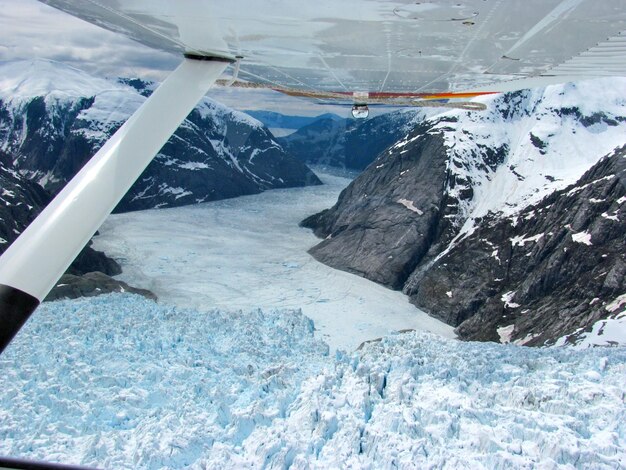
Hovering above a maze of blue crevasses, landing on ice that has been forming for thousands of years, and stepping out into pure silence broken only by distant cracking ice—Alaska glacier helicopter tours are often described as some of the most memorable experiences in the state.
This guide walks through what these tours are like, how they work, where they depart from, what to bring, and how to decide if this experience fits your travel style, comfort level, and budget.
Understanding Alaska Glacier Helicopter Tours
Helicopter glacier tours combine scenic flightseeing with remote glacier landings. Many travelers see them as a way to access Alaska’s wild terrain without long backcountry treks or technical gear.
What a Typical Glacier Helicopter Tour Involves
While details vary by operator and location, most tours include:
Check-in and safety briefing
Passengers receive an overview of the route, safety rules, and how to use seat belts and headsets.Gear fitting
Some providers offer or require special boots, overshoes, or ice cleats when walking on the glacier.Helicopter flightseeing segment
The helicopter may fly over glaciers, mountains, rivers, and forests, with the pilot pointing out key features over a headset.Glacier landing and exploration
After landing on the ice or nearby rock, travelers may take short walks, explore ice features, or participate in guided glacier activities.Return flight
The route back often includes another scenic pass over glacier valleys or nearby peaks.
Each part of the experience is designed to showcase remote glacier landscapes that are otherwise hard to reach.
Major Departure Hubs for Glacier Helicopter Tours
Most Alaska glacier helicopter tours operate from a few main regions. Each area has its own character, scenery, and typical weather patterns.
Anchorage and Nearby Areas
Anchorage serves as a hub for several types of air tours, including helicopter flights to nearby glaciers.
- Proximity: Convenient for travelers on tight itineraries or short layovers.
- Scenery: Coastal mountains, hanging glaciers, braided rivers, and potentially wildlife from the air.
- Common add-ons: Some operators combine glacier landings with dog sled experiences in summer on snowfields.
Juneau (Inside Passage)
Juneau is surrounded by icefields and coastal mountains, making it a frequent stop for travelers interested in Mendenhall Glacier and other nearby icefields.
- Draws: Easy pairing with cruise itineraries, abundant glaciers in relatively close range.
- Environment: Coastal, often cloudy or misty, which can add atmosphere but can also affect flight schedules.
Talkeetna and Denali Region
Talkeetna is a gateway to the Alaska Range and the high mountains surrounding Denali.
- Highlights: Towering peaks, massive glaciers, rugged ridgelines.
- Focus: Some helicopter itineraries emphasize high alpine landings and panoramic views rather than extensive glacier walking.
Seward, Girdwood, and Other Coastal Towns
Smaller communities also offer helicopter access to nearby icefields.
- Seward area: Views of fjords, tidewater glaciers, and coastal mountains.
- Girdwood area: Easy reach from Anchorage with dramatic valley and glacier scenery.
Each base has its own mix of tour length, terrain type, and seasonal conditions, so travelers often choose based on their broader Alaska route.
Types of Glacier Helicopter Experiences
Not all glacier helicopter tours are the same. Understanding the main formats can help match the experience to your goals.
Short Helicopter Flight with Glacier Landing
These tours usually focus on:
- A brief flightseeing segment over nearby glaciers.
- A landing on the ice or snowfield for photos, a short walk, and interpretation from a guide or pilot.
This format often suits travelers who:
- Want a taste of glacier exploration without a full-day outing.
- Prefer a straightforward experience with minimal physical exertion.
Extended Glacier Hikes and Treks
Some tours include more in-depth glacier hiking after landing.
Features may include:
- Walking across the ice with crampons or ice cleats.
- Exploring features like shallow crevasses, small moulins, or melt pools, depending on conditions.
- Learning about glacier formation, movement, and melt patterns.
These activities can feel more immersive but may require:
- Steadier footing.
- Comfort with walking on uneven ice.
- More time commitment.
Dog Sledding on Glaciers
In some areas, especially near Juneau and Anchorage, helicopter tours combine:
- A flight to a snowfield high on a glacier.
- Time on a dog sled route operated on the snow surface.
- Interaction with sled dogs and mushers.
Travelers often choose these for:
- A combination of glacier scenery and cultural interest in sled dog traditions.
- Snow experiences during warmer months.
What You Might See from the Air and on the Ice
Alaska glacier helicopter tours frequently highlight:
- Crevasses and seracs: Deep cracks and towering ice blocks that reveal the glacier’s movement.
- Blue ice formations: Densely compressed ice that appears vividly blue, often seen in crevasse walls or melt pools.
- Moraines and rock debris: Ridges and stripes of rock carried and deposited by moving ice.
- Glacial rivers and meltwater streams: Flowing water on or near the ice, especially in warmer months.
- Surrounding peaks and ridges: Mountain ranges that frame the icefields and glaciers.
On some routes, travelers also have a chance to spot wildlife from the air, such as mountain goats on cliffs, marine mammals near coastal glaciers, or bears along rivers. Wildlife sightings are not guaranteed, but the possibility often adds to the sense of anticipation.
Seasonal Considerations for Glacier Helicopter Tours
Alaska’s seasons shape the glacier experience in noticeable ways. While tours operate during the warmer months in many regions, conditions can vary significantly.
Spring to Early Summer
- Snow coverage: Glaciers may still be snow-covered, giving a smoother, whiter surface.
- Visual mood: Bright snow contrasts with dark rock ridges and deep blue sky on clear days.
- Air temperature: Can still feel cold on the ice, especially with wind.
Mid to Late Summer
- More exposed ice: Snow melts to reveal blue ice, crevasses, and surface streams, which many travelers find visually striking.
- Long daylight: Extended hours of light allow more scheduling flexibility.
- Surface conditions: Surfaces may be wetter in places as meltwater flows on and around the ice.
Early Fall (where tours operate)
- Cooler temperatures: Air becomes crisper; conditions can change quickly.
- Changing light: Lower sun angles can create dramatic shadows on ice features.
- Weather variability: Increased chances of storms or lower clouds in some regions.
Weather in Alaska is known for being unpredictable, and flights can be delayed, rerouted, or canceled when conditions are unsafe for flying or landing. Flexible expectations and backup plans often help travelers adapt.
Safety, Comfort, and Practical Expectations
Glacier helicopter tours are carefully structured around safety protocols, though they still involve elements of risk inherent to air travel and wilderness environments.
Flight and Landing Safety
Typical safety considerations include:
- Weather and visibility thresholds: Operators generally avoid flying in low visibility or high winds that could affect safe landings.
- Weight and seating balance: Passenger weights are often requested in advance or at check-in to balance the aircraft.
- Briefings: Instructions usually cover boarding and exiting, rotor safety zones, and emergency procedures.
Travelers who feel uneasy about flying sometimes find reassurance in:
- Asking questions about safety procedures.
- Understanding how pilots assess conditions before and during the flight.
Physical Demands
The physical demands of glacier helicopter tours can vary widely.
Factors that may affect comfort include:
- Walking surfaces: Glacier surfaces can be uneven, slushy, icy, or covered in shallow snow.
- Mobility considerations: Some landings involve short walks; others may involve slightly steeper or uneven terrain.
- Standing time: Many tours involve standing and walking rather than long periods of sitting once on the glacier.
Some travelers consider their own mobility, balance, and comfort with uneven surfaces when choosing between a quick landing and a more hike-focused tour.
What to Wear and Bring on a Glacier Helicopter Tour
Glacier environments are often colder and windier than nearby towns, even in summer. Thoughtful layering can significantly improve comfort.
Clothing Tips 🧥
- Base layer: Lightweight, moisture-wicking top and bottom (avoid cotton if possible).
- Mid-layer: Fleece or light insulated jacket for warmth.
- Outer layer: Windproof or waterproof shell to block wind and light precipitation.
- Pants: Comfortable pants; some travelers prefer water-resistant or quick-drying materials.
Footwear and Accessories
- Closed-toe shoes: Sturdy shoes or light hiking boots are commonly encouraged.
- Provided footwear: Some operators supply overshoes or ice-walking gear.
- Socks: Warm, comfortable socks; wool or synthetic blends tend to retain warmth if damp.
- Gloves: Helpful on cooler or windy days.
- Hat and sunglasses: The combination of snow, ice, and sun can create intense glare.
Small Items Many Travelers Appreciate 🎒
- Compact camera or phone (in a secure pocket or strap).
- Light snack if permitted, especially for longer outings.
- Refillable water bottle where allowed.
- Sunscreen and lip balm due to reflection off snow and ice.
Operators may have their own policies about bags and loose items in the helicopter, so travelers often confirm what is allowed before packing.
Comparing Helicopter Tours to Other Glacier Experiences
Visitors to Alaska can experience glaciers in multiple ways. Understanding the differences can help travelers decide whether helicopter access is the right choice for them.
Helicopter vs. Boat-Based Glacier Tours
Boat tours to tidewater glaciers generally offer:
- Views of glaciers calving into the sea.
- Potential for marine wildlife viewing along the way.
- Longer, more relaxed outings with indoor seating.
Helicopter tours generally focus on:
- Aerial perspectives: Overhead views of icefields and mountain terrain.
- Physical presence on the glacier: Standing directly on snow or ice in remote areas.
Travelers often choose based on their priorities: some value the immersive feel of standing on ice, while others prefer the slower pace and wildlife focus of boat tours.
Helicopter vs. Hike-In Glacier Access
In a few areas, glaciers can be approached via:
- Guided hikes from trailheads to glacier viewpoints or accessible edges.
- Short walks to overlooks rather than actual glacier surfaces.
Compared with these, helicopter access usually:
- Reaches more remote or higher-elevation icefields.
- Reduces the need for long hikes or specialized mountaineering skills.
On the other hand, hike-in access may appeal to those who:
- Enjoy extended physical activity.
- Prefer to minimize motorized travel.
- Are comfortable with longer days on the trail.
Key Planning Questions Before You Book
Travelers considering Alaska glacier helicopter tours often weigh practical and personal factors. The following questions can help structure that thinking.
1. What Kind of Experience Are You Looking For?
- Quick highlight: Brief flight and short landing.
- Immersive outing: Longer glacier walks, added activities like dog sledding.
- Photography focus: Routes offering diverse viewpoints and slower-paced landings.
2. How Flexible Is Your Schedule?
Because weather affects flights, many travelers:
- Build buffer time into itineraries.
- Avoid stacking tight connections before or after a scheduled flight.
- Consider how a weather delay or cancellation would fit into their plans.
3. What Is Your Comfort Level with Small Aircraft?
Some travelers love helicopter flights; others feel apprehensive.
Ways some people manage this:
- Choosing shorter tours for a first experience.
- Asking questions about flight procedures to feel more informed.
- Sitting near windows to focus on scenery.
4. How Important Is Physical Activity vs. Scenic Viewing?
- If you value movement and exploration, longer glacier time with guided walking or trekking may appeal.
- If you prioritize scenery and minimal exertion, tours emphasizing flightseeing and short stops may be a better fit.
Quick-Glance Planning Checklist ✅
Use this simple summary as a reference when planning Alaska glacier helicopter tours:
🏔️ Choose your region
- Anchorage / Girdwood (accessible hub, diverse terrain)
- Juneau (Inside Passage, coastal icefields)
- Talkeetna / Denali (high mountain landscapes)
- Seward or other coastal towns (fjords and coastal glaciers)
✈️ Decide on experience type
- Short flight + glacier landing
- Glacier hike or trek
- Dog sledding on glacier snowfields
🧊 Consider seasonal factors
- Early season: smoother, snow-covered surfaces
- Mid–late season: more exposed blue ice and melt features
- Weather always variable; flexibility helpful
🧥 Prepare gear and clothing
- Layers (base, mid, shell)
- Closed-toe shoes; confirm any provided glacier gear
- Sunglasses, gloves, and hat for glare and wind
- Small, secure camera or phone
🕒 Plan around weather
- Leave time in your schedule for potential delays
- Understand policies on changes and cancellations
💬 Ask clarifying questions before booking
- How long is the actual glacier time?
- What level of walking or activity is expected?
- What clothing or gear is provided or required?
Appreciating the Glacier Environment
Participating in Alaska glacier helicopter tours introduces travelers to landscapes that are both ancient and rapidly changing. Many guides and operators use this opportunity to:
- Explain how glaciers form and move.
- Describe visible signs of retreating or advancing ice.
- Highlight the connections between glaciers, rivers, oceans, and surrounding ecosystems.
For many visitors, this combination of personal experience and broader context deepens their understanding of Alaska’s environment and the forces that shape it.
Stepping out of a helicopter onto a glacier is often remembered not just as an adrenaline-filled moment, but as a quiet, reflective one: the crunch of ice underfoot, the cool air, and the sense of standing somewhere that feels both remote and profoundly connected to the wider world.
By understanding the different types of tours, seasonal patterns, and practical details, travelers can choose an Alaska glacier helicopter experience that aligns with their interests, comfort level, and curiosity—turning a single outing into a lasting memory of Alaska’s ice-covered landscapes.
Related Topics
- Best Glacier Helicopter Tours
- Best Time For Glacier Helicopter Tours
- Glacier Helicopter Hiking Tours
- Glacier Helicopter Ice Climbing
- Glacier Helicopter Landing Tour
- Glacier Helicopter Picnic Tours
- Glacier Helicopter Tour Booking In Advance
- Glacier Helicopter Tour Cost
- Glacier Helicopter Tour Cruise Ship Excursion
- Glacier Helicopter Tour Photography
- Glacier Helicopter Tours
- Glacier Helicopter Tour Safety
- Glacier Helicopter Tour Weather Cancellation
- Glacier Helicopter Tour Weight Limits
- Glacier Helicopter Tour With Dog Sledding
- Glacier National Park Helicopter Tours
- Hubbard Glacier Helicopter Tours
- Iceland Glacier Helicopter Tours
- Juneau Glacier Helicopter Tours
- Knik Glacier Helicopter Tours
- Mendenhall Glacier Helicopter Tours
- New Zealand Glacier Helicopter Tours
- Private Glacier Helicopter Tours
- Skagway Glacier Helicopter Tours