Juneau Glacier Helicopter Tours: What to Expect Above Alaska’s Ice Fields
Hovering over brilliant blue crevasses, landing on ancient ice, and seeing Juneau’s rugged peaks from above is an experience many travelers describe as unforgettable. Juneau glacier helicopter tours offer one of the most dramatic ways to see Alaska’s wilderness up close, combining flightseeing with the rare chance to stand on a glacier.
This guide walks through how these tours work, what you’ll see, how to prepare, and what to consider before booking, so you can decide if this experience fits your interests, comfort level, and travel plans.
What Is a Juneau Glacier Helicopter Tour?
A Juneau glacier helicopter tour is a scenic flight that departs from the Juneau area and flies over nearby icefields and mountains, often including:
- A helicopter flightseeing segment
- A glacier landing on snow or ice
- Sometimes a guided walk or dog sledding on the glacier surface
These tours typically focus on Juneau’s nearby glaciers, such as:
- Mendenhall Glacier
- Norris Glacier
- Taku Glacier
- Herbert Glacier
- Lemon Creek Glacier
Specific routes and landing sites can vary based on weather, snow conditions, and operator choices.
Types of Juneau Glacier Helicopter Tours
Different tour formats appeal to different travelers. Here are some common styles you may encounter.
Glacier Flightseeing with Landing
This is one of the most widely offered experiences from Juneau.
Typical elements:
- Scenic helicopter flight over glaciers and mountains
- A landing on glacier ice or snow
- Time to walk around, take photos, and observe glacier features
This type of tour focuses on views and exploration rather than athletic activity, making it approachable for many visitors with general mobility.
Helicopter & Glacier Dog Sledding
Some tours combine a helicopter flight with dog sledding on a glacier. These often include:
- Helicopter ride to a glacier snowfield
- Visit to a dog camp set up on the ice
- Short to moderate dog sled ride with a musher guiding the team
- Opportunities to interact with the sled dogs, where allowed
This option often appeals to travelers interested in both Alaska’s sled dog culture and glacier scenery.
Extended Glacier Trekking Experiences
In addition to simple walkabouts, some tours offer more time on the ice, which may include:
- Short guided hikes along the glacier surface
- Basic introduction to glacier features like moulins, crevasses, and seracs
- Occasional use of microspikes or simple traction devices, provided by the operator
Activities are usually tailored to a wide audience, focusing on safety, interpretation, and scenery, rather than technical climbing.
What You’ll See from the Air and on the Ice
A helicopter flight over Juneau’s icefields reveals landscapes that are difficult or impossible to access from the ground.
Aerial Views
From the air, travelers commonly observe:
- Vast icefields stretching across mountain plateaus
- Deep-blue crevasses and cracks in the glacier surface
- Jagged peaks contrasting with smooth snowfields
- Rivers and lakes formed by melting ice
- Coastal rainforests and inlets surrounding Juneau
On clear days, the contrast between white ice, dark rock, and green forest can be particularly striking.
On the Glacier Surface
Once you land, common sights and sensory details include:
- Ridges and grooves carved by glacier movement
- Glacier pools and streams of meltwater
- The subtle movement and creaking of the ice
- A noticeable drop in temperature compared with sea level
Guides often point out how glaciers shape the landscape, explaining how ice flows, melts, and retreats over time.
How a Typical Juneau Glacier Helicopter Tour Works
While details vary, most tours follow a similar structure from start to finish.
1. Check-in and Safety Briefing
Before boarding, travelers usually:
- Check in at a tour office or heliport
- Watch or listen to a safety briefing
- Receive gear such as boots, outer layers, or traction devices if included
The briefing often covers:
- How to board and exit the helicopter safely
- Seat belt procedures
- Communication with the pilot or guide
- Behavior near rotor blades and on the glacier
2. Boarding and Takeoff
Travelers are guided to the helicopter and assigned seats. Seating may be based on:
- Weight distribution for safe flight
- Balance and visibility considerations
After takeoff, the helicopter gains altitude over Juneau’s forested hills, heading toward the icefields.
3. Flightseeing Over Glaciers
During the flight, passengers typically:
- Look out through large viewing windows
- Listen to pilot commentary over a headset, when provided
- Observe glacier formations, mountains, and valleys below
The helicopter may follow a route customized for weather and visibility conditions on that day.
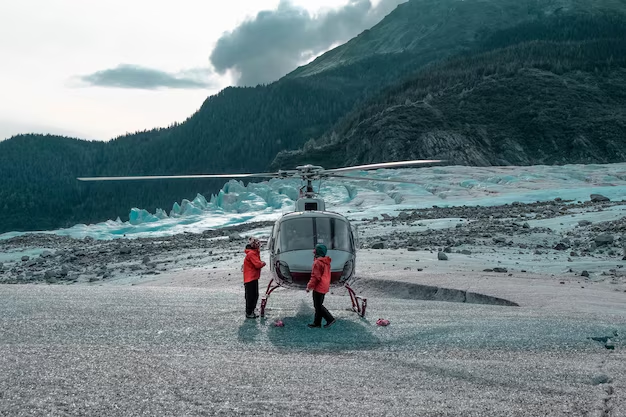
4. Glacier Landing and Exploration
On landing, guides generally:
- Help passengers exit the aircraft
- Explain boundaries and safe walking areas
- Lead a short orientation or guided walk
Activities on the glacier might include:
- Walking around on the ice or snow
- Learning about how glaciers form and move
- Taking photos of surrounding peaks and ice structures
Time on the glacier is usually structured to balance sightseeing, education, and safety.
5. Flight Back to Juneau
The return flight might follow a different route to showcase alternate viewpoints, depending on weather and timing. After landing back at the heliport, travelers return equipment and often have the rest of the day free for other Juneau activities.
Weather, Seasonality, and Flight Conditions
When Tours Commonly Operate
Most Juneau glacier helicopter tours operate during the warmer months, often from late spring through early fall. During this period:
- Daylight hours are extended, especially in midsummer
- Temperatures on the glacier are generally cold but manageable with appropriate clothing
- Snow and ice conditions are usually favorable for landings
Exact opening and closing periods can vary each year based on snowpack and weather.
Weather Cancellations and Changes
In glacier terrain, weather plays a major role in whether flights can operate. Tours may be delayed, rerouted, or canceled due to:
- Low clouds or fog that limit visibility
- High winds or turbulence
- Heavy precipitation impacting safety or landing conditions
Operators typically prioritize safety and may adjust plans even at short notice. Travelers sometimes choose to keep schedules flexible in Juneau to accommodate potential changes.
Safety and Helicopter Tour Considerations
Helicopter tours are carefully regulated, and safety is a central concern. Still, it can be helpful to understand general patterns and considerations.
General Safety Practices
Helicopter tour operators commonly:
- Follow aviation regulations and maintenance schedules
- Conduct pre-flight checks
- Provide safety briefings and instructions
- Limit flights in low-visibility or high-wind conditions
Travelers are usually asked to follow strict guidelines around the aircraft, especially near rotor blades and uneven glacier surfaces.
Physical and Comfort Considerations
Some travelers choose to think about:
- Mobility: Getting in and out of the helicopter and walking on uneven ice may require balance and stability.
- Temperature: Glacier environments are cold, even in summer. Proper layering helps with comfort.
- Motion sensitivity: People who are sensitive to motion may experience discomfort during flight or in turbulence.
- Altitude: Glacier landing elevations in the Juneau area are generally moderate compared to high mountain ranges, but air can still feel cooler and crisper.
Those with specific health questions sometimes discuss air travel or helicopter flights with a medical professional before booking.
What to Wear and Bring on a Glacier Helicopter Tour
Clothing and gear can significantly affect comfort on the glacier.
Recommended Clothing Layers
Many travelers find it helpful to dress in:
- Base layer: Light, moisture-wicking shirt and socks
- Insulating layer: Fleece or light sweater
- Outer layer: Windproof or waterproof jacket
On sunny days, glacier surfaces can reflect sunlight, so a combination of warmth and sun protection is often useful.
Footwear and Accessories
Operators may provide boots or traction devices (like over-the-shoe ice cleats) for glacier walking. Still, you may want to bring:
- Sturdy, closed-toe shoes or light hiking boots (if allowed and appropriate)
- Gloves to keep hands warm
- Hat or beanie for warmth
- Sunglasses to protect against glare from snow and ice
- Sunscreen and lip balm for UV exposure at higher elevations
Personal Items
Common practical items include:
- Camera or phone for photos (ensure secure straps or pockets)
- Small daypack if permitted
- ID or required documents for check-in
Oversized bags and loose items are often limited for safety and weight reasons.
How to Think About Choosing a Glacier Helicopter Tour
Different tours emphasize different experiences. These questions can help clarify what might be a good fit.
1. What Kind of Experience Do You Want?
Consider whether you’re seeking:
- A short, high-impact experience focused on the thrill of flight and landing on ice
- A more immersive visit with extra time walking on the glacier
- A combo tour, such as helicopter plus dog sledding or other activities
Your overall Juneau schedule, comfort level, and interests can help guide this decision.
2. How Much Time Do You Have?
Juneau glacier helicopter tours can range from relatively brief experiences to longer excursions that occupy a larger part of the day. Travelers arriving by cruise ship often coordinate tour times with their port schedule, allowing for transit and check-in.
3. Are You Comfortable with Small Aircraft?
Helicopters offer spectacular views but may feel more exposed than larger planes. Thinking about your comfort level with:
- Rotary aircraft noise and motion
- Flying over remote, rugged terrain
- Takeoff, landing, and potential turbulence
can help you decide if this style of tour feels right.
Environmental and Ethical Considerations
Juneau’s glaciers are part of a sensitive ecosystem. Travelers increasingly consider the broader impact of their visits.
Glaciers and a Changing Climate
Many glaciers in Alaska have been observed to:
- Retreat over time, exposing more bare rock
- Thin and lose ice mass at lower elevations
Guides often talk about these changes, offering context on how glaciers respond to temperature and precipitation patterns.
Noise and Wildlife
Helicopters introduce noise into otherwise quiet environments. Some observers raise concerns about:
- Effects on wildlife behavior
- Impacts on the sense of solitude for visitors in nearby areas
Different perspectives exist on how to balance access to remote scenery with preservation of natural soundscapes.
Personal Choices
Travelers sometimes reflect on:
- How frequently they use flight-based excursions
- Ways to balance bucket-list activities with other lower-impact experiences
- Supporting broader conservation efforts in regions they visit
Glacier helicopter tours can prompt reflection about environmental changes and our relationship to remote natural places.
Quick-Reference Tips for Juneau Glacier Helicopter Tours 🧊🚁
Before You Book
- ✅ Clarify your priorities: Scenic flight only, glacier landing, dog sledding, or extended time on the ice.
- ✅ Check timing: Make sure tour times work with your cruise or travel schedule.
- ✅ Review flexibility: Weather can change plans; consider building buffer time into your Juneau stay.
What to Wear and Bring
- 🧥 Dress in layers with a warm, windproof outer layer.
- 🧤 Bring gloves, hat, and sunglasses for cold and glare.
- 📸 Secure your camera or phone so it can’t easily drop on the ice or in the helicopter.
On the Day of the Tour
- 🛟 Listen carefully to the safety briefing and follow guide instructions near rotors and on the glacier.
- 🚶 Watch your footing on uneven or slippery surfaces, even with traction devices.
- 🌦️ Expect last-minute adjustments in route or timing if weather shifts.
Frequently Considered Questions About Juneau Glacier Helicopter Tours
Are Juneau glacier helicopter tours suitable for beginners?
These tours are generally designed for people with little or no helicopter or glacier experience. Guides typically offer clear instructions and maintain a controlled environment. However, each person’s comfort level with heights, cold, and aircraft can vary.
Can children go on glacier helicopter tours?
Many operators allow children above a certain age or size, sometimes with specific seating or ticketing arrangements. Families often check age, weight, and supervision requirements in advance.
What happens if the weather is bad?
If weather conditions do not meet safety or visibility standards, tours are often:
- Delayed until conditions improve
- Adjusted to an alternative route or glacier
- Canceled if necessary
Policies on rescheduling or refunds vary, so travelers often review these details ahead of time.
Will I actually get to step onto the glacier?
Many Juneau helicopter tours specifically include a glacier landing with time to walk on the ice or snow. However, some flightseeing options focus solely on aerial views without landing. The description of the tour usually clarifies this.
Bringing It All Together
A Juneau glacier helicopter tour offers a rare combination of soaring over rugged mountains and stepping onto an active glacier in a single experience. For many visitors, it becomes one of the most vivid memories of a trip to Alaska, blending scenery, adventure, and education.
Understanding how these tours work—their structure, safety practices, environmental context, and practical details—can help you approach the experience with realistic expectations and a clear sense of what it involves. With thoughtful planning and awareness, a helicopter trip over Juneau’s glaciers can be a powerful way to see and reflect on one of Earth’s most dramatic and dynamic landscapes.
Related Topics
- Alaska Glacier Helicopter Tours
- Best Glacier Helicopter Tours
- Best Time For Glacier Helicopter Tours
- Glacier Helicopter Hiking Tours
- Glacier Helicopter Ice Climbing
- Glacier Helicopter Landing Tour
- Glacier Helicopter Picnic Tours
- Glacier Helicopter Tour Booking In Advance
- Glacier Helicopter Tour Cost
- Glacier Helicopter Tour Cruise Ship Excursion
- Glacier Helicopter Tour Photography
- Glacier Helicopter Tours
- Glacier Helicopter Tour Safety
- Glacier Helicopter Tour Weather Cancellation
- Glacier Helicopter Tour Weight Limits
- Glacier Helicopter Tour With Dog Sledding
- Glacier National Park Helicopter Tours
- Hubbard Glacier Helicopter Tours
- Iceland Glacier Helicopter Tours
- Knik Glacier Helicopter Tours
- Mendenhall Glacier Helicopter Tours
- New Zealand Glacier Helicopter Tours
- Private Glacier Helicopter Tours
- Skagway Glacier Helicopter Tours