Glacier Helicopter Tours from Cruise Ships: What to Know Before You Go
Perched in a helicopter above endless ice fields, turquoise crevasses, and rugged peaks, it can feel like you’ve left the modern world behind. For many cruise travelers, a glacier helicopter tour excursion is the single most unforgettable experience of their entire trip.
If you’re trying to decide whether a helicopter glacier excursion is worth it, how it works from a cruise ship, or what to expect on the ice, this guide walks through the experience step by step—so you can board your ship feeling prepared and confident.
Understanding Glacier Helicopter Tour Cruise Ship Excursions
What Is a Glacier Helicopter Tour?
A glacier helicopter tour is a scenic flight that typically includes:
- A helicopter ride over mountains, fjords, and glacier valleys
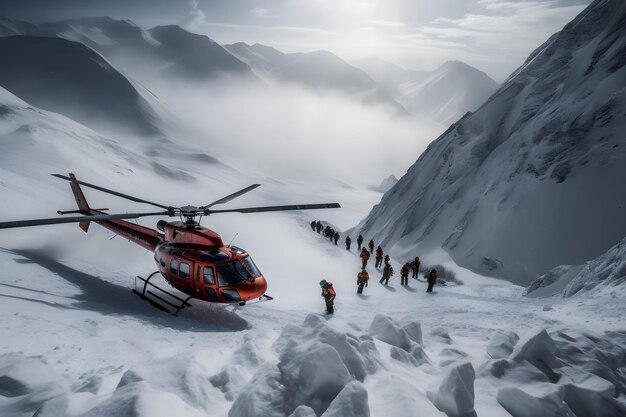
- A landing on a glacier or snowfield (on many itineraries)
- Time on the ice with a guide for short walks, photos, or basic education about glaciers
When operated as a cruise ship excursion, the experience is structured around cruise schedules. That means:
- Meeting at a designated spot on the ship
- Being transported directly to the helipad or base
- Returning to the port in time for the ship’s departure
The core idea is to allow cruise guests to safely experience glaciers and alpine scenery in a short, carefully timed window.
Where Do These Excursions Typically Operate?
Glacier helicopter tours are especially common in:
- Alaska – from ports like Juneau, Skagway, and others
- Coastal Canada – select ports with nearby icefields
- Parts of New Zealand and Scandinavia – in regions where cruise itineraries pass close to glaciers
The exact location depends on your specific cruise route, but the basic experience—flightseeing plus potential glacier landing—follows similar patterns.
How Cruise Ship Glacier Helicopter Excursions Work
The Booking Process
Cruise guests usually have three general paths:
- Booking directly through the cruise line
- Booking an independent excursion that coordinates with cruise schedules
- Deciding onboard (if availability remains)
Common patterns with cruise-booked excursions:
- Details appear in your online cruise planner or pre-cruise materials.
- You can often see available times, duration, and difficulty level.
- The activity is usually labeled as a helicopter glacier tour, glacier landing, or heli-hike.
Helicopter excursions are often in high demand, so they may:
- Fill quickly on peak-season sailings
- Be more limited in early/late season when weather becomes less predictable
From Ship to Sky: What the Day Looks Like
While every port and operator is slightly different, a typical flow looks like this:
Meeting on the Ship
- You gather at a designated lounge or theater at a set time.
- Staff check your name against the excursion list.
- You may receive basic safety reminders or instructions.
Transfer to the Helicopter Base
- A shuttle or bus takes you from the pier to the heliport.
- This ride can range from a few minutes to longer, depending on how far the base is from port.
Check-In and Safety Briefing
- You check in, often get weighed for weight distribution purposes, and may be assigned a flight group.
- There is usually a short safety briefing that covers:
- Approaching and exiting the helicopter safely
- Use of headsets, seatbelts, and doors
- Rules while on the glacier
Boarding the Helicopter
- Staff typically assign seats to balance the aircraft.
- You wear a headset to communicate and hear commentary from the pilot.
- Takeoff is usually smooth and controlled, with gradual ascent.
Scenic Flight
- The pilot may point out:
- Glacier features like crevasses, seracs, and icefalls
- Wildlife if visible from the air
- Local landmarks, peaks, or valleys
- This portion is often one of the highlights, even before landing.
- The pilot may point out:
Glacier Landing (if included)
- The helicopter touches down on a snow or ice surface.
- You step out and may walk a short distance with guides.
- There is usually structured time for:
- Photos
- Learning about glacier terrain and safety
- Observing ice formations and the surrounding mountains
Return Flight and Transfer Back to Port
- You re-board, fly back to the heliport, then take transport back to the ship.
- The total excursion time often includes transport, briefing, flight, and time on the glacier.
Types of Glacier Helicopter Excursions
Not all glacier helicopter excursions are the same. Cruise programs often differentiate by activity level, duration, and what you do on the ice.
1. Scenic Glacier Helicopter Flight with Landing
This is one of the more common cruise offerings. It typically emphasizes:
- Aerial views over glaciers and mountains
- A short glacier landing for walking on snow/ice
- Guided time on the ice with a focus on sightseeing rather than intense activity
This version is often suitable for a wide range of ages and fitness levels.
2. Heli-Hiking or Glacier Trekking
Some itineraries offer more active glacier excursions, sometimes labeled:
- Heli-hiking
- Glacier trekking
- Glacier walkabout
These can involve:
- A longer period on the glacier
- Basic glacier hiking techniques, under guide supervision
- Use of crampons or similar traction devices for better grip on the ice
These options often assume:
- More comfort with walking on uneven or icy surfaces
- A moderate level of mobility and stamina
3. Photography-Focused Glacier Flights
Certain excursions highlight scenic photography, giving guests more:
- Time for framing shots during the flight
- Opportunities to capture panoramic views on the glacier
- Guidance on where to stand or look for the most striking angles
Even when not explicitly marketed as “photography tours,” many helicopter excursions naturally work well for photography enthusiasts due to the vantage points.
What to Expect in Terms of Safety and Comfort
Helicopter Safety Basics
Glacier helicopter tours generally follow clear safety routines, including:
- Weight distribution and seating assignments
- Mandatory seatbelts and often headsets
- Controlled approach and exit procedures when the rotors are moving
Common safety practices include:
- Walking only in directions indicated by staff
- Keeping clear of tail rotors and marked no-go zones
- Listening carefully to crew instructions at all times
These measures are designed to manage risks that are inherent in helicopter operations and glacier environments.
Weather and Cancellations
Mountain and glacier regions often experience:
- Rapidly changing cloud cover
- Variable winds
- Occasional low visibility or precipitation
As a result:
- Flights can be delayed, altered, or canceled if conditions are not suitable.
- Glacier landings may sometimes be substituted with extended flightseeing if landing zones are not safe that day.
- Cruise lines and operators typically have contingency processes for cancellations, which may involve rescheduling if possible or providing refunds or credits according to their policies.
Being mentally prepared for possible last-minute changes can help travelers handle adjustments more easily.
Physical Comfort and Motion
During the flight, guests often describe:
- A sense of light vibration and engine noise, softened by headsets
- Smooth but responsive motion, particularly on turns or altitude changes
- A relatively comfortable cabin temperature, though this can vary
On the glacier itself:
- Temperatures are typically cooler than at sea level.
- Wind can increase the “feels-like” chill.
- The surface underfoot may be packed snow, firm ice, or slightly slushy, depending on conditions.
What to Wear and Bring on a Glacier Helicopter Excursion
Glacier environments and helicopter cabins create a unique combination of needs: you want to be warm enough outside, but not overloaded with bulky items.
Clothing Considerations
Many travelers find the following approach practical:
Layers:
- A moisture-wicking base layer
- A warm mid-layer (fleece or light sweater)
- A wind- and water-resistant outer layer like a shell or light jacket
Legwear:
- Comfortable long pants that allow easy movement
- Avoid overly heavy or restrictive materials
Footwear:
- Closed-toe shoes with a good grip, such as sturdy sneakers or light hiking shoes
- Some operators may supply overshoes or traction aids, but basic footwear with a stable sole is still helpful.
Accessories and Extras
Handy items commonly recommended by experienced travelers:
- Gloves and a hat (even in warmer months, glacier wind can feel chilly)
- Sunglasses – glacier glare can be intense
- Sunscreen on exposed skin
- Compact camera or smartphone with a secure grip or strap
- Small bag only if permitted and manageable in the cabin
Operators may set limits on bags and loose items inside the helicopter, especially around rotors and doors, so minimalism often works best.
Who a Glacier Helicopter Excursion May Suit (and Who Might Skip It)
Typical Travelers Who Enjoy These Excursions
Many cruise travelers who gravitate toward glacier helicopter tours share some of these traits:
- Interest in dramatic scenery and photography
- Curiosity about glaciers, icefields, and mountain landscapes
- Desire for a memorable “once-in-a-trip” experience
- Comfort with being in a small aircraft at moderate altitudes
Guests often describe the excursion as particularly meaningful if:
- It’s their first time seeing a glacier up close
- They’re celebrating a special occasion such as a honeymoon or anniversary
- They value experiences that provide a different perspective than what’s visible from the ship or port
Situations That May Require Extra Consideration
Certain factors may require additional thought or discussion with the excursion desk or operator:
Limited Mobility
- Helicopter steps can be somewhat steep.
- Glacier surfaces may be uneven or slippery.
- Some operators can offer assistance, but there are practical limitations.
Discomfort with Heights or Flying
- Those who strongly dislike heights, tight spaces, or turbulence may feel uneasy.
- Knowing that flights are usually short and highly structured may be comforting for some, but not all.
Weather Sensitivity
- People particularly sensitive to cold, wind, or bright light may want to ensure they’re well-prepared with clothing and eye protection.
In many cases, the cruise excursion team or local operator can describe the specific access steps, walking requirements, and cabin layout, allowing travelers to make more informed personal decisions.
Planning Tips to Fit Your Cruise Schedule
Choosing Your Time Slot
Helicopter excursion times may be spread across the port day. Common patterns include:
Morning flights
- Often preferred by travelers who want to prioritize the excursion
- Can sometimes benefit from calmer winds, depending on local conditions
Midday or afternoon flights
- Allow a relaxed morning in port before the adventure
- May have shifting light that changes how the glaciers and mountains appear
When deciding, some travelers consider:
- How important this excursion is relative to other port activities
- Personal energy levels at different times of day
- Whether they want time afterward to explore town or relax on board
Balancing with Other Excursions
On busy itineraries, it can be tempting to book multiple activities in one port. For glacier helicopter excursions, travelers often:
- Leave a time buffer before and after the scheduled excursion
- Avoid stacking another high-commitment excursion too close in time
- Factor in check-in and transport time, which is included in the overall excursion duration
This buffer can reduce stress if there are minor schedule shifts due to weather or operational needs.
Environmental and Ethical Considerations
Glacier Awareness
Glaciers are dynamic environments that:
- Change shape, size, and surface conditions over seasons and years
- Can show visible signs of thinning, retreating edges, or altered melt patterns
Some guides and pilots incorporate basic glacier education during the excursion, which may include:
- How glaciers form and move
- How meltwater shapes the landscape
- Observed changes in specific local glaciers over recent years
This context can help travelers understand that they are visiting living landscapes, not static ice blocks.
Footprint and Behavior on the Ice
General patterns in responsible glacier behavior include:
- Staying within marked or guided areas
- Avoiding litter or leaving items behind
- Being mindful of sensitive features, such as fragile snow bridges or delicate ice formations
Some operators emphasize low-impact practices as part of their standard guiding approach. Guests who are conscious of environmental impacts often appreciate these efforts and follow guidelines closely.
Practical Glacier Helicopter Excursion Tips at a Glance
Here is a quick-reference summary of key considerations many cruise guests find useful:
| ✅ Topic | 💡 Key Point |
|---|---|
| Booking | Reserve early through the cruise line or a trusted operator; spots can be limited. |
| Weather | Be prepared for possible delays or cancellations; mountain weather changes quickly. |
| Clothing | Dress in layers, with a windproof outer layer and sturdy closed-toe shoes. |
| Accessories | Bring sunglasses, gloves, and a hat; glacier glare and wind can be strong. |
| Bags & Belongings | Keep items minimal and secure; loose gear may be restricted in the cabin. |
| Physical Requirements | Expect steps into the helicopter and some walking on uneven or icy surfaces. |
| Photography | Charge devices fully and consider a strap or good grip for cameras/phones. |
| Time Management | Allow buffer time before and after the excursion in case of schedule shifts. |
| Mindset | Stay flexible and patient; safety and conditions guide final flight plans. |
Frequently Overlooked Details That Make a Big Difference
Window Seats and Views
Because weight balance is crucial in helicopters:
- Seats are typically assigned by staff, not self-selected.
- Operators generally try to give everyone a good view, and cabins are often designed with large windows.
Travelers sometimes report that:
- Even middle seats can have excellent visibility due to the bubble-style or panoramic windows used in many scenic helicopters.
- The pilot’s narration can help guests focus on key sights regardless of seat position.
Noise Levels and Communication
Inside the helicopter:
- Engine and rotor noise is significant, which is why headsets are provided.
- Through the headset, you can:
- Hear pilot commentary
- Sometimes ask brief questions, depending on the system
- Communicate more easily with others in your group
This environment is different from a commercial airplane and can feel more intimate and interactive.
Time on the Glacier
Glacier time can feel surprisingly short because:
- Many guests are balancing photos, listening to guide information, and soaking in the view.
- Safety margins and flight schedules require careful time management.
Guests who return feeling satisfied often:
- Prioritize a few “must-have” photos quickly, then put devices away for part of the visit.
- Take a short moment just to stand still, look around, and listen to the quiet of the ice.
Bringing It All Together
A glacier helicopter tour cruise ship excursion combines several elements—flightseeing, glacier contact, and guided commentary—into a compact, carefully managed experience. For many travelers, it becomes the moment they remember most vividly when they think back on their cruise.
By understanding:
- How the excursions are structured
- What the day typically looks like from ship check-in to return
- What clothing, mindset, and expectations are most realistic
you can approach the decision with clarity and calm. Whether you ultimately choose a simple scenic flight with a brief glacier landing or a more active heli-hike, knowing the practical details in advance allows you to focus less on logistics—and more on the rare experience of standing amid ancient ice, surrounded by mountains, with the cruise ship waiting far below.
Related Topics
- Alaska Glacier Helicopter Tours
- Best Glacier Helicopter Tours
- Best Time For Glacier Helicopter Tours
- Glacier Helicopter Hiking Tours
- Glacier Helicopter Ice Climbing
- Glacier Helicopter Landing Tour
- Glacier Helicopter Picnic Tours
- Glacier Helicopter Tour Booking In Advance
- Glacier Helicopter Tour Cost
- Glacier Helicopter Tour Photography
- Glacier Helicopter Tours
- Glacier Helicopter Tour Safety
- Glacier Helicopter Tour Weather Cancellation
- Glacier Helicopter Tour Weight Limits
- Glacier Helicopter Tour With Dog Sledding
- Glacier National Park Helicopter Tours
- Hubbard Glacier Helicopter Tours
- Iceland Glacier Helicopter Tours
- Juneau Glacier Helicopter Tours
- Knik Glacier Helicopter Tours
- Mendenhall Glacier Helicopter Tours
- New Zealand Glacier Helicopter Tours
- Private Glacier Helicopter Tours
- Skagway Glacier Helicopter Tours