Glacier Helicopter Tour With Dog Sledding: What to Expect From This Bucket-List Adventure
Imagine lifting off in a helicopter, soaring over jagged peaks and shimmering ice fields, then landing on a remote glacier where a team of excited sled dogs is ready to run. A glacier helicopter tour with dog sledding combines aerial sightseeing with a classic arctic-style experience, creating one of the most memorable day adventures many travelers describe.
This guide walks through how these tours work, what the experience feels like, typical routes and locations, safety considerations, cost factors, and practical tips to help you decide if it’s right for you.
How a Glacier Helicopter + Dog Sledding Tour Usually Works
Although every operator and location is different, many glacier helicopter dog sledding experiences follow a similar structure.
The Basic Flow of the Experience
Check-in and briefing at the heli base
Travelers typically arrive at a helicopter base near a coastal town or resort. Staff may:- Weigh bags or gear
- Offer boots or outerwear if needed
- Give a short safety briefing
Helicopter flight to the glacier
The flight is often one of the biggest highlights:- Panoramic views of mountains, ice fields, and valleys
- Aerial perspective of crevasses, meltwater streams, and snow-covered terrain
- A controlled, guided experience with commentary from the pilot in many cases
Landing at a glacier dog-sled camp
On arrival at the glacier:- The helicopter lands at a snow or ice field where a seasonal dog sled camp is set up
- Guests usually meet mushers (dog-sled drivers) and the dog teams
- Basic instructions about how to ride, balance, and interact with the dogs are given
Dog sledding on the glacier
This segment often includes:- Riding in the sled while a musher drives
- Short chances for guests to stand on the runners behind the sled under supervision
- Time to take photos, enjoy the scenery, and observe how the dogs work together
Time with the dogs and mushers
Some experiences also allow:- Light interaction with the dogs such as gentle petting
- Discussion with mushers about training, racing, and life in remote environments
Helicopter return flight
The trip often ends with another scenic flight back to the base, sometimes with a slightly different route for variety.
Where Glacier Helicopter Dog Sledding Tours Commonly Take Place
While exact destinations vary, this style of tour is commonly associated with:
- Alaska (USA) – Coastal towns and cruise ports often serve as gateways for glacier helicopter and dog sled combinations.
- Yukon and other northern Canadian regions – Some operators fly to high alpine or icefield environments for similar experiences.
- Scandinavian Arctic and other polar regions – In certain seasons, helicopter access plus dog sledding may be offered, though formats can differ.
Each region has its own landscape and climate patterns, but most glacier tours are concentrated in late spring through early autumn when access and visibility tend to be more reliable, and temperatures are less extreme on exposed icefields.
What the Helicopter Part of the Tour Feels Like
The Scenic Flight
The helicopter portion is often as memorable as the dog sledding itself. From the air, travelers typically see:
- Mountain ridges and steep valleys
- Active glaciers with crevasses, seracs, and snowfields
- Occasional waterfalls, rivers, or coastal inlets depending on location
Many pilots provide commentary about the geography, glaciology, or local history. The cabin can be noisy, so headsets are commonly used for communication and narration.
Sensations and Comfort
- Noise and vibration: Helicopters vibrate and generate consistent engine noise, but most passengers adapt quickly with headsets.
- Motion: Turns and changes in altitude can be noticeable, so those sensitive to motion may want to prepare mentally and choose seating carefully if options are offered.
- Temperature: The cabin is usually sheltered, but clothing suitable for cool conditions is still helpful, especially near doors and windows.
What the Dog Sledding on a Glacier Is Really Like
The Dogs and the Sled
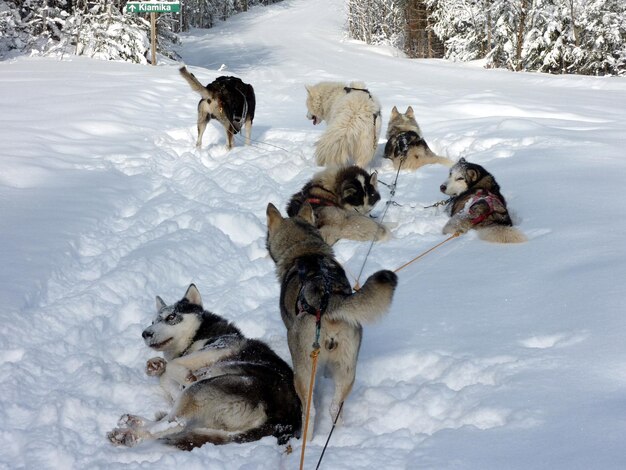
The sled dogs used in these tours are often husky-type or mixed breeds that have been bred for endurance and cold climates. General characteristics often observed:
- Compact, muscular builds
- Thick double coats
- High energy and enthusiasm for running
On the glacier, the sled is usually attached to a team of dogs aligned in pairs. A professional musher controls the sled, directs the team, and manages speed and safety.
Riding vs. “Driving”
Most travelers:
- Sit in the sled for the majority of the ride
- May be offered a chance to stand behind the musher on the runners under close guidance
“Driving” opportunities are typically controlled and short. The musher remains ultimately responsible for steering, braking, and the dogs��� welfare. This is more about getting a feel for the position rather than fully piloting the sled.
The Glacier Environment
Being on a glacier can feel:
- Bright: Sunlight reflecting off snow and ice is intense; eye and skin protection is important.
- Cool to cold: Even in mid-summer, temperatures on glaciers can be significantly cooler than in nearby towns.
- Open and exposed: Wide views, open skies, and sometimes noticeable winds add to the sense of remoteness.
Practical Planning: Weather, Season, and Flexibility
Weather Sensitivity
Helicopter glacier tours are highly weather-dependent. Conditions that may affect operations include:
- Low clouds or fog reducing visibility
- High winds, especially at higher elevations
- Heavy rain or fresh snow affecting landing zones
Because of this, travelers commonly:
- Schedule tours early in their stay to allow flexibility
- Stay prepared for last-minute timing shifts, routing changes, or cancellations
Seasonal Patterns
Many glacier dog-sled helicopter operations run seasonally, often focusing on months when:
- Snow coverage is stable on glacier plateaus
- Daylight is long enough for safe and enjoyable operations
- Temperatures are moderate enough for both dogs and guests
In some regions, dog sledding on glaciers is primarily a summer activity, while winter dog sledding may occur at lower elevations without helicopter access.
Safety Considerations and How Operators Typically Handle Them
Helicopter and glacier activities involve inherent risk, so safety tends to be a central focus.
Common Safety Measures
While specific procedures vary, many operators follow some general patterns:
- Pre-flight briefings covering seatbelts, headsets, doors, and emergency protocols
- Weight and balance checks to ensure the helicopter remains within safe operating limits
- Weather monitoring with trained staff deciding whether to fly or delay
- Glacier camp protocols for moving around on snow and ice, staying away from rotor zones, and following staff instructions
On the dog sledding side:
- Mushers explain how to sit, hold on, and step in and out of the sled
- Guests are often asked to follow clear directions about when and where to walk on the snow
- Interaction with dogs is usually supervised to keep both dogs and people comfortable
Health and Physical Considerations
Travelers often reflect on:
- Mobility: Getting in and out of helicopters and sleds can require basic physical flexibility and balance.
- Altitude and cold: Glacier elevations and temperatures may affect comfort for some individuals.
- Motion sensitivity: Helicopter motion and sled movement over uneven snow can be noticeable.
Those with specific concerns typically discuss them directly with tour providers before booking to understand what accommodations may be available.
Cost Factors: What Typically Influences Price
Prices for glacier helicopter tours with dog sledding vary widely, but several factors consistently influence the total:
| Factor 🧾 | How It Affects Price |
|---|---|
| Tour length | Longer flight times and extended sledding sessions generally increase cost. |
| Location | Remote bases, high operating costs, and regional demand can raise prices. |
| Group size | Private or semi-private flights are often more expensive than larger shared groups. |
| Season and timing | Peak travel periods tend to come with higher pricing and limited availability. |
| Included extras | Gear, photos, snacks, or add-on sightseeing legs may be bundled into premium rates. |
Because helicopter operations and glacier camps are complex and fuel-intensive, these tours frequently sit at the higher end of day-activity budgets, and many travelers view them as a once-in-a-lifetime splurge.
What to Wear and Bring for a Glacier Helicopter Dog Sled Tour
Exact requirements differ by operator, but certain patterns are common.
Clothing Basics
Layering tends to work well:
- Base layer: Comfortable, breathable clothing (avoid cotton that stays damp).
- Mid layer: Light fleece or sweater for insulation.
- Outer layer: Windproof or water-resistant jacket. Many operators provide outer shells or snow gear, but not all.
For legs:
- Long pants, ideally non-cotton and quick-drying
- Insulated or shell pants in colder seasons if not provided
For feet and hands:
- Warm socks (often wool or synthetic blends)
- Sturdy closed-toe shoes or boots; some operators loan glacier boots
- Gloves in most seasons due to wind and chill
Accessories
- Sunglasses with good UV protection (crucial on snow and ice)
- Sunscreen and lip balm with SPF due to reflection off snow
- Hat or beanie for warmth; a thin cap that fits under a helmet or headset can be useful
- Light backpack if allowed, for personal items
Most providers set rules on bag size and weight inside the helicopter, so smaller is usually better.
Photography and Capturing the Experience
Many travelers want to document both the flight and the sledding.
Camera Tips 📸
- Use a wrist or neck strap to avoid dropping devices, especially when boarding or getting off the helicopter and sled.
- Keep devices accessible but secure in pockets or small pouches.
- Be mindful of rotors and wind: Loose items can become hazards near spinning blades.
Common photo moments include:
- Aerial shots through helicopter windows
- Group photos with the dog team on the glacier
- Wide-angle views of the glacier landscape
Some tour providers arrange professional photos for an additional fee, which can reduce the need to manage cameras in cold, bright conditions.
Animal Welfare and Ethical Considerations
Many travelers are increasingly attentive to animal welfare when activities involve working animals.
Common Questions People Ask
- How are the dogs housed and cared for on and off season?
- What rest periods do dogs receive between runs?
- How is training handled, and what breeds are used?
- Are retired dogs rehomed or kept by mushers?
Responsible operations often address such questions proactively, explaining:
- Feeding and veterinary practices
- Work-to-rest ratios
- Training philosophies
- Long-term care arrangements for older dogs
Travelers who prioritize animal welfare frequently look for transparent, detailed answers and may pay attention to the dogs’ general body condition, behavior, and enthusiasm for running as observational cues.
Who This Kind of Tour Tends to Suit
A glacier helicopter dog sledding tour often appeals to people who:
- Enjoy spectacular scenery and aerial views
- Want a short, high-impact adventure rather than a multi-day expedition
- Are curious about sled dogs and arctic-style travel
- Are comfortable with a structured, guided experience where professionals manage the technical aspects
Those who sometimes decide against it typically:
- Prefer non-flying, ground-based activities
- Have strong concerns about heights, motion, or helicopters
- Want extended time handling or driving sleds themselves rather than a short introductory ride
- Prioritize lower-budget adventures or independent-style travel
Quick Planning Checklist ✅
Here’s a compact at-a-glance guide to help organize your thoughts:
✈️ Before booking
- Check typical season dates for glacier operations
- Ask about weather policies, delays, and cancellation terms
- Confirm age, weight, and mobility requirements
🧤 What to prepare
- Plan layers for cold, bright glacier conditions
- Bring sunglasses, sunscreen, and gloves
- Keep personal items small and secure for the helicopter
🐕 Questions to ask about dogs
- How are dogs cared for during and after the season?
- What is the usual length and pace of sled runs?
- Are guests allowed any interaction, and under what guidelines?
💰 Budget expectations
- Recognize this as a premium-priced activity
- Look at what is included (gear, photos, transfers)
- Consider scheduling early in your trip for weather flexibility
Stepping onto a glacier by helicopter and gliding across the snow behind a team of huskies combines three powerful elements in a single experience: the drama of flight, the silence of high alpine icefields, and the energy of working sled dogs. For many travelers, this blend of perspectives—seeing the landscape from above, then feeling it under the runners of a sled—creates a vivid memory that stands out long after the trip is over.
Related Topics
- Alaska Glacier Helicopter Tours
- Best Glacier Helicopter Tours
- Best Time For Glacier Helicopter Tours
- Glacier Helicopter Hiking Tours
- Glacier Helicopter Ice Climbing
- Glacier Helicopter Landing Tour
- Glacier Helicopter Picnic Tours
- Glacier Helicopter Tour Booking In Advance
- Glacier Helicopter Tour Cost
- Glacier Helicopter Tour Cruise Ship Excursion
- Glacier Helicopter Tour Photography
- Glacier Helicopter Tours
- Glacier Helicopter Tour Safety
- Glacier Helicopter Tour Weather Cancellation
- Glacier Helicopter Tour Weight Limits
- Glacier National Park Helicopter Tours
- Hubbard Glacier Helicopter Tours
- Iceland Glacier Helicopter Tours
- Juneau Glacier Helicopter Tours
- Knik Glacier Helicopter Tours
- Mendenhall Glacier Helicopter Tours
- New Zealand Glacier Helicopter Tours
- Private Glacier Helicopter Tours
- Skagway Glacier Helicopter Tours