Glacier Helicopter Landing Tours: What To Expect From This Bucket-List Experience
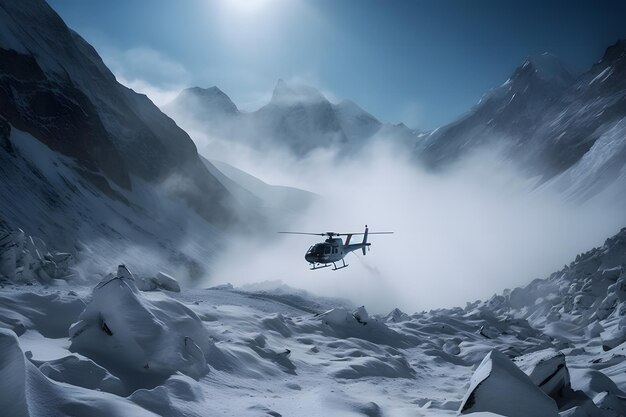
Hovering over jagged ice peaks, weaving through mountain valleys, then gently touching down on a remote glacier that few people ever see up close—a glacier helicopter landing tour is one of the most dramatic ways to experience high alpine landscapes.
This guide walks through what these tours typically involve, how they work, where they’re popular, what to pack, safety considerations, and how to decide if this kind of experience fits your interests and comfort level.
What Is a Glacier Helicopter Landing Tour?
A glacier helicopter landing tour is a scenic helicopter flight that includes an actual landing on or near a glacier. Instead of just viewing the ice from the air, passengers step out onto the snow or ice for photos, exploration, and a closer look at the glacial environment.
Most tours combine:
- Aerial sightseeing over mountains, valleys, and glaciers
- A short landing on a glacier or snowfield
- Guided commentary from the pilot or guide about local geography, climate, and landmarks
The exact experience varies by location and operator, but the main appeal is the chance to stand in an otherwise inaccessible high-alpine environment, with helicopter access providing both the thrill and the convenience.
Popular Destinations for Glacier Helicopter Landings
Glacier helicopter landing tours are commonly offered in regions with extensive glacial landscapes and developed tourism infrastructure.
Alaska
In Alaska, these tours often depart from:
- Coastal towns and cruise ports
- Interior hubs near mountain ranges
Passengers typically see:
- Massive icefields
- Deep crevasses and blue ice
- Snow-covered peaks and remote valleys
Canadian Rockies and Western Canada
In parts of the Canadian Rockies and surrounding regions, helicopter tours may land on:
- High alpine meadows in summer
- Snowfields or glaciers, depending on conditions
These flights often highlight:
- Towering rock faces
- Turquoise glacial lakes
- Dense forests and river valleys
New Zealand’s South Island
In New Zealand, glacier helicopter landings are commonly associated with:
- Long valley glaciers flowing down from the Southern Alps
- Mixed landscapes with rainforest, ice, and coastline in relatively close proximity
Tours there often emphasize the contrast between lush lowlands and icy high country within a short flight time.
Other Mountain Regions
In some other parts of the world, similar tours may be available where:
- Glaciers are reachable within a short flight from a tourist hub
- Weather and terrain allow safe landing sites
The specifics of each region—such as terrain, climate, and visibility—shape how long flights last, where landings occur, and what passengers see from the air.
What Typically Happens on a Glacier Helicopter Tour
While details vary, most glacier helicopter landing tours follow a similar overall pattern.
Check-In and Safety Briefing
Before departure, passengers usually:
- Check in at the heliport or office
- Provide basic information like weight and contact details (for safe weight distribution and planning)
- Attend a safety briefing that covers:
- How to approach and exit the helicopter
- Seatbelt use
- Use of headsets and microphones
- What to do around spinning rotors
- Emergency basics, in general terms
This stage sets expectations for both flight behavior and glacier conduct (for example, staying within marked or guided areas).
Gear Fitting (If Provided)
In colder or wetter environments, the operator may provide:
- Outer shell jackets or waterproof gear
- Boot covers or specialized footwear
- Crampons or traction devices, where appropriate
In some regions, passengers are expected to bring their own warm and waterproof layers, so reading the pre-trip instructions usually helps clarify what is and isn’t included.
Boarding and Takeoff
Passengers are typically escorted to the helicopter and guided:
- Where to stand and walk
- How to board safely
- How to buckle harnesses or seatbelts
Most helicopters used for sightseeing have:
- Large windows or bubble-style fronts for visibility
- Headsets so passengers can hear commentary and ask questions
Takeoff is often smooth but can feel intense for first-time flyers due to the rapid change in altitude and perspective.
Scenic Flight to the Glacier
The flight to the glacier is a major highlight on its own. From the air, passengers often see:
- Glacier surfaces with visible cracks and crevasses
- Moraines and ice falls (where ice appears to cascade down steep slopes)
- Mountain ridges, cliffs, and valleys carved by ice over very long periods
- Seasonal details like snow cover, meltwater streams, and changing colors
Pilots or guides often point out:
- Distinctive peaks and features
- Visible signs of glacial movement or retreat
- Historical or cultural information associated with the area
Landing on the Glacier
Landing locations are typically chosen for:
- Relatively stable, flat surfaces
- Adequate room for safe rotor clearance
- Good visibility and manageable winds
Depending on the tour and conditions, the helicopter may land on:
- Bare ice (often with a rough, textured surface)
- Snow-covered ice
- Nearby snowfields or high alpine plateaus
Crew members usually exit first, then help guide passengers out in an organized way, keeping everyone clear of rotors and slopes.
Time on the Ice
On the glacier, passengers usually have a short, defined window to explore within a set radius. Typical activities include:
- Taking photos and videos of the landscape and helicopter
- Walking on the ice or snow within designated safe zones
- Observing:
- Crevasses or cracks (from a safe distance)
- Surface textures (rough ice, snow, meltwater pools)
- Surrounding peaks and ridges
The crew may share additional information about:
- How glaciers form and move
- Seasonal changes in snow and ice
- Visible layers and colors in the ice
Movement is often cautious and deliberate, as glacier surfaces can be uneven and slippery.
Return Flight
The return flight may:
- Take the same route back, offering new views from a different angle
- Follow a slightly altered path to highlight other valleys, peaks, or glaciers
Passengers usually disembark at the same heliport, and staff guide them back to the main office or waiting area.
What to Wear and Bring on a Glacier Helicopter Landing Tour
Conditions on a glacier can be cold, bright, and windy, even when departure points are mild. Packing thoughtfully helps make the experience more comfortable.
Clothing
Layering is a common approach:
- Base layer: Comfortable, non-cotton clothing close to the skin
- Mid layer: Fleece or light insulated jacket for warmth
- Outer layer: Windproof and preferably waterproof jacket
For legs, many people use:
- Sturdy hiking pants or other flexible, long trousers
- In some colder regions, thermal leggings underneath
Footwear
Footwear is particularly important on ice:
- Closed-toe, sturdy shoes or boots with good traction are commonly recommended
- Avoid smooth-soled dress shoes, sandals, or heels
In some cases, the operator provides overboots or traction aids, but passengers are still commonly expected to have solid, supportive footwear to start with.
Accessories
Useful items often include:
- Sunglasses: The combination of snow and sun can be very bright
- Gloves: To keep hands warm in wind and low temperatures
- Hat or beanie: Especially in colder seasons or higher elevations
- Sunscreen and lip balm: Even cold environments can expose skin to strong sun
Small Essentials
People often choose to bring:
- Camera or smartphone (with sufficient battery)
- Small backpack or waist pack for personal items
- Photo wipes or cloth to keep lenses clear of moisture
Most operators set limits on bag size and weight, so compact packing is helpful.
Weather, Season, and Timing Considerations
Weather Dependence
Glacier helicopter landing tours are highly weather-dependent. Factors that may affect operations include:
- Low clouds or fog that reduce visibility
- High winds that make landings unsafe or uncomfortable
- Heavy precipitation such as rain or snow
When conditions do not meet safety thresholds, operators often:
- Adjust routes
- Delay departures
- Cancel flights
This is usually explained during booking and confirmation emails, and many providers outline possible rescheduling or refund options for significant weather disruptions.
Seasonal Differences
Season and local climate influence:
- Snow depth and glacier appearance
- Daylight hours, which affect available tour times
- Temperature and wind chill at landing zones
In colder seasons, tours may feature:
- Heavier snow on the glacier surface
- Colder, potentially clearer air
In warmer seasons, passengers may see:
- More bare ice, meltwater streams, and visible crevasses
- Strong sun and glare on ice and snow
Time of Day
Some regions offer flights at various times of day, and each can have its own atmosphere:
- Morning: Often associated with cooler temperatures and potentially calmer winds
- Midday: Typically the brightest light, strong sun on the snow and ice
- Late afternoon: Can offer softer light and longer shadows across the landscape
Availability and timing depend on local daylight, operations, and demand.
Safety and Comfort: What Many Travelers Consider
Glacier helicopter tours involve specialized aircraft and operations in remote terrain, so safety and comfort are frequent points of focus.
Operator Standards and Practices
In many regions, commercial helicopter operators are subject to:
- Regulatory oversight by aviation authorities
- Requirements for pilot training, aircraft maintenance, and operational procedures
General safety practices often include:
- Pre-flight safety briefings
- Regular maintenance and inspections
- Defined weight and balance limits for passengers and cargo
- Conservative weather thresholds for flying and landing
Travelers commonly review an operator’s general reputation, communication clarity, and safety emphasis as part of their decision-making.
Physical Comfort
People with certain concerns sometimes think ahead about:
- Motion sensitivity: Helicopters can feel different from fixed-wing planes, especially during turns or in turbulent air
- Noise: Headsets help reduce rotor noise and allow communication, but the cabin can still feel loud compared to everyday environments
- Temperature: Glaciers can be windy and cold even on sunny days
Those who are uncertain about their comfort level might find it helpful to:
- Read detailed tour descriptions
- Consider shorter flight options
- Review what the operator says about typical conditions
Terrain Awareness on the Glacier
Glacier surfaces can be:
- Uneven, cracked, or sloped
- Hard and slippery in some areas
- Soft and slushy in warmer conditions
Guides usually mark safe areas and ask passengers to:
- Walk carefully and slowly
- Stay well away from visible edges or cracks
- Follow their instructions closely
This approach aims to keep guests within relatively stable, predictable zones while still allowing them to experience the environment.
Typical Tour Variations and Add-On Experiences
Not all glacier helicopter landing tours are identical. Some regions offer variations to match different interests and timeframes.
Short Scenic Flights With a Single Landing
These tours focus on:
- A brief but intense scenic flight
- One glacier or snowfield landing
- Photo opportunities and basic exploration
They often appeal to travelers seeking a high-impact experience within a limited schedule.
Extended Glacier Experiences
Some itineraries add more time and activities, such as:
- Longer walks on the glacier within defined areas
- Additional scenic loops over multiple valleys or peaks
- More in-depth commentary on geology and glaciology
These options tend to suit people who want a deeper immersion rather than a quick highlight.
Specialty or Themed Flights
In some destinations, tours may be framed around particular themes:
- Photography-focused flights, emphasizing light angles and vantage points
- Sunset or seasonal flights, when available
- Snow landings in winter-style settings, even in shoulder seasons at lower elevations
Availability varies widely by region and operator.
Environmental and Ethical Considerations
Many travelers are increasingly attentive to the environmental and cultural context of glacier tours.
Impact on Glacier Environments
Glaciers are sensitive environments, and there is general awareness that:
- Human presence, even brief, can leave footprints or disturbance on snow surfaces
- Frequent visits may influence localized patterns of use in popular areas
Some operators adopt practices such as:
- Concentrating landings in specific zones
- Emphasizing “leave no trace” behavior (for example, packing out all waste)
- Educating passengers about glacial change and climate trends
These approaches aim to balance access and education with respect for delicate landscapes.
Broader Environmental Context
Helicopter operations, by nature, involve fuel use and emissions. Some travelers consider:
- How this fits into their broader travel choices
- Whether the educational and observational aspects of the tour align with their values
Operators sometimes share information about their own policies, efficiencies, or offsets, and travelers can choose experiences that best align with their priorities.
Quick Reference: Key Things to Know Before You Book
Here is a concise overview of main points many people consider when evaluating a glacier helicopter landing tour:
| ✅ Topic | 🔍 What to Keep in Mind |
|---|---|
| Experience type | Aerial sightseeing plus a short glacier landing for photos and exploration. |
| Destinations | Common in regions with accessible glaciers and established tourism (e.g., high mountain or polar-adjacent areas). |
| Weather | Highly weather-dependent; delays, route changes, or cancellations are possible. |
| Clothing | Dress in warm layers, wear sturdy closed-toe shoes or boots, and bring sun protection. |
| Safety | Operators generally follow aviation regulations; briefings and clear instructions are typical. |
| Comfort | Helicopter noise, motion, and cold glacier conditions may feel intense for some. |
| Time on ice | Usually limited and within marked safe zones; surfaces can be slippery and uneven. |
| Environment | Glaciers are fragile; following guidelines supports lower-impact visits. |
Practical Tips for Making the Most of a Glacier Helicopter Landing Tour
A few simple choices often shape how enjoyable and comfortable the experience feels.
Before You Go
- 🕒 Build flexibility into your schedule: Weather changes can shift flight times.
- 📄 Read the tour description carefully: Look for details on clothing, age limits, and physical requirements.
- 📞 Note communication details: Many travelers find it helpful to know how the operator contacts guests about weather changes or timing.
On the Day
- 🧥 Dress slightly warmer than you think you need: It is easier to remove a layer than to add one you do not have.
- 👟 Choose stable footwear over style: Grip and ankle support are often more important than appearance on glacier terrain.
- 📷 Secure cameras and phones: Use straps or tight pockets, especially when moving around the helicopter or ice.
During the Landing
- 🚶♂️ Walk slowly and pay attention to footing: Glacier surfaces can change quickly over short distances.
- 📍 Stay within the area the crew indicates: Safe zones are chosen for stability and distance from hazards.
- 👂 Listen to commentary: Guides often share insights that deepen appreciation for what you are seeing.
Bringing It All Together
A glacier helicopter landing tour combines the thrill of flight with the rare chance to stand amid an active, living ice landscape. From the first lift-off to the crunch of snow underfoot and the sweeping views of ridges and valleys, it offers an experience that many travelers describe as one of the most memorable parts of their journey.
Understanding how these tours work—what they typically include, how weather and clothing matter, how safety and environmental considerations come into play—helps set clear expectations. With thoughtful preparation and an informed perspective, travelers can approach a glacier helicopter landing tour as both an unforgettable adventure and an opportunity to observe some of the planet’s most striking high-alpine environments up close.
Related Topics
- Alaska Glacier Helicopter Tours
- Best Glacier Helicopter Tours
- Best Time For Glacier Helicopter Tours
- Glacier Helicopter Hiking Tours
- Glacier Helicopter Ice Climbing
- Glacier Helicopter Picnic Tours
- Glacier Helicopter Tour Booking In Advance
- Glacier Helicopter Tour Cost
- Glacier Helicopter Tour Cruise Ship Excursion
- Glacier Helicopter Tour Photography
- Glacier Helicopter Tours
- Glacier Helicopter Tour Safety
- Glacier Helicopter Tour Weather Cancellation
- Glacier Helicopter Tour Weight Limits
- Glacier Helicopter Tour With Dog Sledding
- Glacier National Park Helicopter Tours
- Hubbard Glacier Helicopter Tours
- Iceland Glacier Helicopter Tours
- Juneau Glacier Helicopter Tours
- Knik Glacier Helicopter Tours
- Mendenhall Glacier Helicopter Tours
- New Zealand Glacier Helicopter Tours
- Private Glacier Helicopter Tours
- Skagway Glacier Helicopter Tours